
Written by © Alexandra Chambers | 1st May 2025 | DarkMatters.Press
Website: https://darkmatters.press
Abstract
This review examines recent developments in geoengineering and atmospheric interventions, focusing on solar radiation management (SRM) initiatives announced in 2025. It evaluates observational evidence from satellite data, discusses possible mechanisms, and considers the implications for scientific baselines, transparency, and public engagement. Emphasis is placed on the need for critical scrutiny of the evolving intersection between climate interventions and environmental governance.
Section 1: Background Context
Geoengineering refers to the deliberate large-scale intervention in the Earth’s climate system to counteract anthropogenic climate change. According to the Royal Society (2009), geoengineering strategies are typically divided into two categories: carbon dioxide removal (CDR) techniques and solar radiation management (SRM) techniques. CDR approaches focus on reducing atmospheric carbon dioxide levels, whereas SRM aims to reflect a small proportion of solar radiation back into space to cool the planet.
Solar radiation management, specifically, involves methods such as the injection of reflective aerosols into the stratosphere to mimic the cooling effects observed after large volcanic eruptions. The Intergovernmental Panel on Climate Change (IPCC) Sixth Assessment Report (2021) acknowledges that SRM has the potential to reduce global temperatures but warns that it carries substantial risks, uncertainties, and ethical concerns, particularly regarding regional climate disruption and governance challenges.
It is important to note that atmospheric changes independent of human intervention are a recognised phenomenon. For example, natural shifts in the Earth’s atmospheric and magnetic poles have been documented over geological timescales (NASA, 2019). These natural processes, however, occur gradually over millennia and differ fundamentally in scale and nature from targeted human interventions proposed under geoengineering frameworks.
Section 2: Recent Developments (2025)
In 2025, the United Kingdom became one of the first countries to publicly announce active trials of solar radiation management technologies. According to reports from the BBC and The Guardian, researchers have initiated small-scale atmospheric experiments designed to reflect sunlight and reduce local temperatures (BBC News, 2025; Carrington, 2025). These trials involve the controlled release of reflective particles into the atmosphere, under the stated goal of exploring geoengineering as a potential response to worsening climate change.
The official announcement marks a significant policy shift. Until recently, geoengineering had largely been discussed within academic and advisory circles, with governments cautious to move beyond theoretical research. The UK’s public move in 2025 therefore represents a formal acknowledgment that climate intervention strategies are no longer confined to hypothetical scenarios.
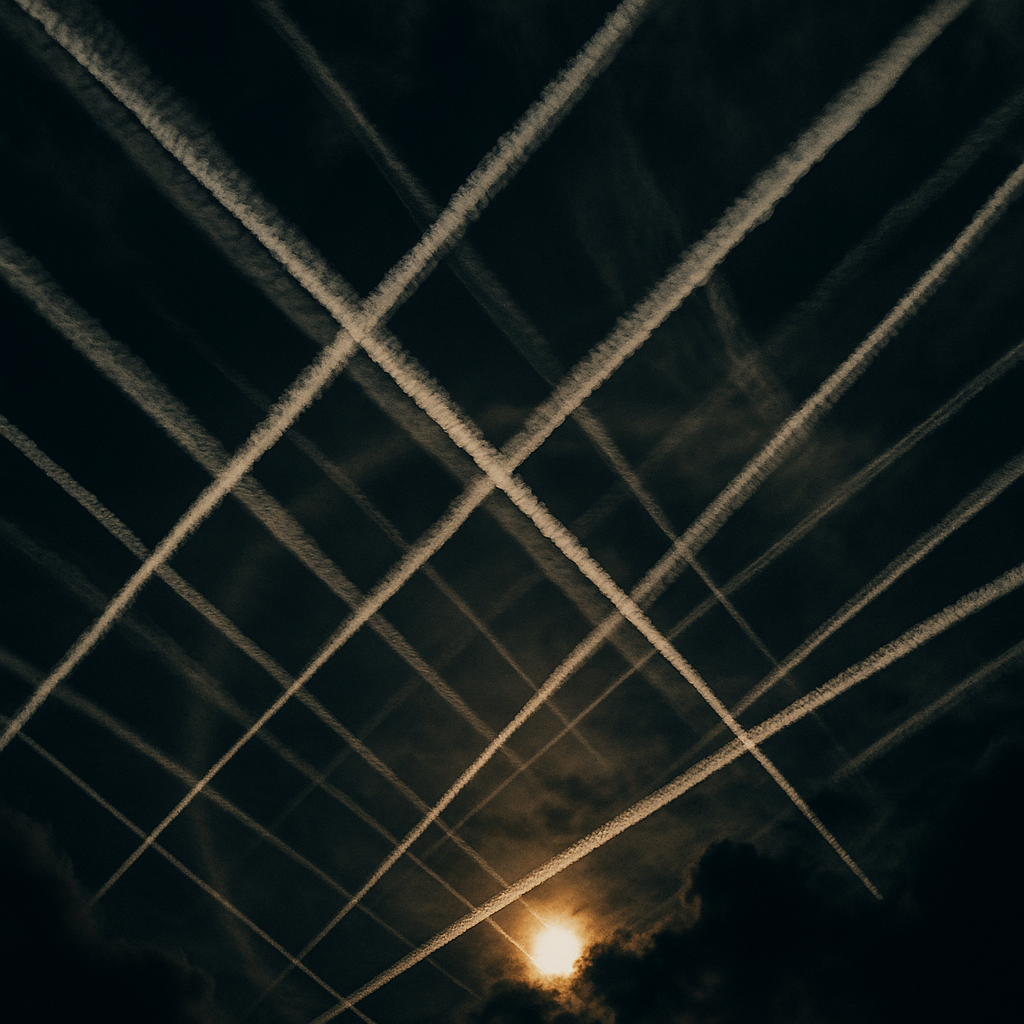
It is notable, however, that aerial phenomena consistent with large-scale aerosol deployment -commonly described in public discourse as ‘persistent contrails’ or ‘chemtrail’ patterns- have been observed and documented for at least two decades prior to 2025. Independent studies (Carnicom, 2001; Herndon, 2015) and citizen observations have raised questions about unexplained atmospheric spraying activities. Despite frequent public concerns, governmental bodies historically denied the existence of any such programs, characterising the observed phenomena as the result of ordinary aircraft contrails under specific meteorological conditions (EPA, 2000).
Thus, while the 2025 announcement formalises atmospheric experimentation, it follows a long-standing period in which atmospheric modifications appear to have been occurring without formal public acknowledgment.
Patents and Plausible Deniability: Evidence of Intent vs. Official Denial
Despite frequent assertions by governments that geoengineering remains in the realm of theoretical research, the historical patent record reveals a vastly different narrative -one in which climate intervention technologies have been formally documented, chemically specified, and legally protected for over three decades. The continued denial of deployment hinges on a carefully maintained distinction between research and application, allowing for institutional plausible deniability even in the face of extensive preparatory groundwork.
Authorities often argue that patents alone do not imply deployment, framing them as speculative ideas rather than indicators of action. Yet this argument collapses under scrutiny. Patents -especially when filed by defence contractors or industrial stakeholders- are not abstract thought experiments. They represent economic positioning, development intent, and ownership over future applications. In geoengineering, where dual-use technologies and militarised infrastructure are common, the existence of patents offers critical insight into long-term agendas.
Moreover, many geoengineering experiments and technologies operate in legal grey zones -where academic researchers, private startups, and military programs advance real-world testing under the guise of innovation. Without formal policy admission or regulatory accountability, governments can publicly deny involvement while quietly enabling research and deployment through proxy actors.
Key Patents
- US Patent 5003186A (1991)
Stratospheric Welsbach Seeding for Reduction of Global Warming
Assignee: Hughes Aircraft Company
Proposes dispersing aluminium and thorium oxide particles to reflect solar radiation and cool the planet.
URL: https://patents.google.com/patent/US5003186A
- WO2011113976A2 (2011)
Method and System for Controlling Solar Radiation by Aerosol Dispersion
Outlines a delivery system using Flow Blurring® aerosol tech integrated into commercial aircraft.
URL: https://patents.google.com/patent/WO2011113976A2
- US Patent 8033879B2 (2011)
Biophysical Geoengineering Compositions and Methods
Inventor: Russ George | Assignee: Planktos Inc.
Combines stratospheric aerosol injection with ocean fertilisation strategies.
URL: https://patents.google.com/patent/US8033879B2
- US Patent 20070238252A1 (2006)
Global Warming Mitigation Method
Proposes the use of orbiting reflectors to deflect solar radiation.
URL: https://patents.google.com/patent/US20070238252A1
- US Patent 6315213B1 (2001)
Method of Modifying Weather
Assignee: U.S. Secretary of the Navy
Involves using high-frequency microwaves to influence weather systems.
URL: https://patents.google.com/patent/US6315213B1
What emerges from these records is not a picture of speculative science, but of incremental development toward functional deployment -shielded by ambiguous language and protected by legal compartmentalisation. These systems are designed, filed, and in some cases quietly tested, even as the public is assured nothing is happening.
Through framing geoengineering as a future option rather than a present activity, governments maintain strategic ambiguity -claiming responsibility for oversight without taking accountability for consequences. The result is a climate of non-consensual experimentation, where the tools of planetary manipulation exist, but their usage is either denied or hidden behind private actors, startups, and international opacity.
International Warnings: The CBD’s Position on Geoengineering
In 2016, the Secretariat of the Convention on Biological Diversity (CBD) released a technical report that remains one of the most comprehensive international assessments of the risks, uncertainties, and governance gaps surrounding geoengineering. Despite being almost a decade old, CBD Technical Series No. 84 (Williamson & Bodle, 2016) outlines concerns that remain largely unresolved in current policy discourse -particularly regarding solar radiation management (SRM) and its potential consequences for biodiversity, climate justice, and public accountability.
The report highlights the termination risk of SRM as one of the most serious threats to global ecosystems. Should large-scale solar dimming be initiated and then halted suddenly, it could trigger “very rapid climate changes” leading to “serious losses of biodiversity”, due to the inability of many species to adapt at such speeds. This risk is not theoretical; it reflects the real possibility of geopolitical instability or technical failure disrupting long-term geoengineering projects.
Critically, the report acknowledges that SRM would not reduce atmospheric CO₂ concentrations or meaningfully address ocean acidification -thus offering, at best, a partial and temporary masking of climate symptoms without addressing root causes. The authors also warn that localised deployment could disrupt atmospheric and oceanic circulation patterns, potentially producing “unacceptable climatic impacts elsewhere”, particularly in vulnerable regions.
The CBD highlights the absence of a science-based, transparent, and effective global governance framework for geoengineering. Existing regulatory mechanisms are described as inadequate, fragmented, and unable to address the scale and complexity of SRM deployment. The report further identifies a severe lack of public consent, ethical safeguards, and international coordination, all of which are essential prerequisites before any consideration of such technologies.
Significantly, the United Kingdom is mentioned as a major player in early research initiatives. The CBD notes that the UK’s Living with Environmental Change (LWEC) partnership identified ten research gaps in 2010 and initiated planning for multi-agency geoengineering projects in the years that followed. This aligns with current observations of the UK’s disproportionate involvement in atmospheric research and climate intervention modelling, despite its naturally low sunlight exposure and high prevalence of vitamin D deficiency.
In summary, the CBD’s official position serves as a cautionary benchmark. It challenges the framing of SRM as a neutral or purely technical intervention and urges global actors to consider the ecological, ethical, and geopolitical dimensions of atmospheric modification -particularly in the absence of public discourse or enforceable safeguards.
Section 3: Geoengineering in a Time of Geomagnetic Instability: Climatic Consequences Under a Weakened Earth Shield
The deployment of geoengineering technologies -particularly stratospheric aerosol injection (SAI) and solar radiation management (SRM)- has traditionally been evaluated through static models of climate regulation. However, these assessments often neglect a critical variable now unfolding in real time: the weakening of Earth’s geomagnetic field, a precursor to magnetic pole shift. In this altered atmospheric and cosmic context, the effects of geoengineering may be both intensified and fundamentally destabilising.
Earth’s magnetic field acts as a protective shield, deflecting solar wind and cosmic radiation (Panovska et al., 2023). As this field weakens -which recent data from the European Space Agency’s SWARM mission confirms is accelerating (Finlay et al., 2020) -our planet becomes increasingly exposed to energetic particles that interact with the upper atmosphere, particularly the ionosphere and stratosphere. These interactions influence cloud formation, jet stream dynamics, and temperature gradients (Tinsley & Yu, 2004). Introducing reflective aerosols into this already unstable atmospheric system may compound existing irregularities, pushing feedback loops into unpredictable regimes.
Furthermore, the timing of aerosol dispersion during solar maximum and heightened geomagnetic vulnerability raises concerns about how these particles may interact with charged solar particles. Evidence suggests that metallic aerosols -such as aluminium, barium, and strontium, commonly cited in patent literature for SAI- can alter ionospheric conductivity and exacerbate thermal imbalances (Kravitz et al., 2012; Lenton et al., 2009). Under weakened geomagnetic conditions, this could result in increased polar vortex disruption, shifting precipitation belts, and regional climate extremes.
Geoengineering also appears to interfere with the planet’s latent electrical circuit. As Earth’s atmosphere functions as a global electrical conductor, any widespread ionised particulate presence can modify the vertical current between the ionosphere and the surface (Williams, 2005). In a geomagnetically weakened state, such disruptions may not self-correct as they once did, potentially altering cloud microphysics and precipitation patterns far beyond the intended zone of intervention.
Climate simulations that exclude geomagnetic context risk underestimating systemic volatility. Geoengineering cannot be ethically or scientifically separated from planetary energetic dynamics. Doing so may convert a temporary measure into a cascade accelerator -exacerbating hydrological anomalies, inducing artificial drought corridors, and amplifying feedback loops in already fragile biospheres.
Ionization, Fire Risk, and Atmospheric Instability: An Overlooked Consequence of Geoengineering
One of the least discussed yet potentially most hazardous effects of geoengineering -particularly aerosol-based interventions- is the increase in atmospheric ionization. This becomes especially dangerous during periods of geomagnetic weakening, when Earth’s natural protection from solar and cosmic radiation is compromised. These effects may be actively contributing to the rise in wildfire ignition, severity, and unusual atmospheric discharges.
Stratospheric and tropospheric aerosols often include aluminium, barium, and strontium compounds, all of which are electrically conductive (Kravitz et al., 2012). Once dispersed, these particles interact with incoming solar UV and galactic cosmic rays, leading to a measurable rise in atmospheric ionization -especially when Earth’s magnetic field is weakened (Panovska et al., 2023). This not only charges the upper atmosphere but can disrupt the global electric circuit, altering cloud behaviour and creating new zones of electrostatic tension (Williams, 2005).
Several serious consequences follow:
- Lowered ignition thresholds: A more ionised atmosphere reduces dielectric resistance, meaning less energy is needed for fires to start from static discharge, lightning, or even equipment sparks.
- Dry lightning amplification: Aerosol-induced cloud formations may trigger electrical discharge without precipitation, a key ignition factor in many wildfire zones (Tinsley & Yu, 2004).
- Feedback with drought and wind: Geoengineering’s redirection of moisture and modification of upper air currents can intensify dry, fire-prone corridors, while also energizing wind systems that spread flames.
Together, these effects convert the atmosphere from a weather regulator into a charged, fire-conducive system. The increased conductivity, cloud ionization, and electrostatic charge build-up may be turning entire bioregions into tinderboxes-without any natural buffer to suppress them.
Power Grid Vulnerability: Blackouts and the Electrified Atmosphere
One often-overlooked consequence of geoengineering -especially under conditions of magnetic field weakening- is the heightened risk of power outages and grid failures. The global electrical grid is not isolated from atmospheric phenomena; it is deeply entangled with upper-atmospheric charge dynamics, especially through long-haul high-voltage transmission systems that span continents.
Geoengineering efforts involving metallic aerosols such as aluminium and barium significantly increase the ionization of the upper and lower atmosphere (Kravitz et al., 2012). This amplified conductivity, when interacting with cosmic rays and solar energetic particles -both of which more easily reach Earth during geomagnetic weakening (Panovska et al., 2023)- can induce substantial disruptions in the ionosphere. The ionosphere plays a crucial role in regulating communication systems, GPS timing, and even regional power load management. Fluctuations here can cascade into terrestrial grid instability.
Moreover, during solar storms or geomagnetic events, geomagnetically induced currents (GICs) can flow into long conductive structures such as power lines, transformers, and pipelines (Pulkkinen et al., 2012). These unwanted currents can overheat equipment, cause insulation breakdown, and lead to cascading grid failures. In highly aerosol-saturated atmospheres, these effects may become more frequent and less predictable.
Finally, a more ionized atmosphere -particularly at lower levels- may increase the likelihood of electrical arcing, transformer explosions, or equipment malfunction during both natural and anthropogenic electrical storms. As a result, artificially altered sky conductivity may be contributing to the rising number of “unexplained” blackouts, substation fires, and large-scale power disruptions across the globe.
In the context of a declining magnetic field and ongoing geoengineering operations, the Earth’s atmosphere is becoming a volatile electrical medium -and our energy infrastructure, deeply dependent on electromagnetic stability, may be far more fragile than it appears.
Section 4: Observational Evidence and Satellite Data
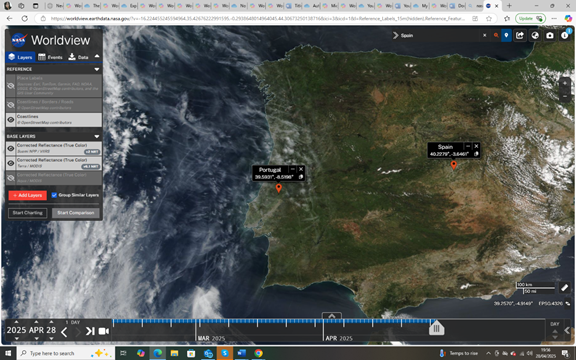
Satellite imagery offers additional insight into the extent and distribution of atmospheric aerosol activities. Data from platforms such as NASA Worldview have revealed consistent patterns of linear cloud formations -often termed contrails or aerosol trails- predominantly over densely populated land areas across Europe, including the UK, Portugal, Spain, France, and Italy. These formations have been observed with increasing frequency and density, particularly during periods of clear sky visibility (NASA Worldview, 2025).
Each of these satellite captures displays timestamped metadata, corroborating the timing and geographical concentration of observed aerial activities. While aircraft-generated contrails are a well-documented phenomenon, the persistence, spread, and structured layering of these trails in specific zones suggest activities beyond ordinary aviation emissions, warranting further scientific investigation. Noteably, NASA Worldview requires some understanding to utilise and it has recently become harder to discern the geoengineering lines over land, with increased blurring and softening of the lines.
Section 4: Possible Mechanisms and Implications
Several proposed solar radiation management (SRM) techniques involve the dispersal of aerosols containing reflective substances into the atmosphere. Published research suggests that materials such as aluminum oxide, barium salts, and strontium compounds may be used due to their reflective properties and atmospheric persistence (Keith, 2000; Robock et al., 2009).
The potential environmental and health impacts of these substances have been partially characterized. Exposure to fine particulate matter containing aluminum has been associated with respiratory and neurological risks (Krewski et al., 2009). Similarly, elevated environmental levels of barium have been linked to cardiovascular and muscular dysfunctions (WHO, 2001). Strontium exposure, while less studied, has known effects on bone health and calcium metabolism (ATSDR, 2004).
While scientific advisory bodies such as the Royal Society (2009) and the US National Academy of Sciences (NAS, 2015) have proposed that marine cloud brightening or ocean-based spraying could offer more uniform and less disruptive means of solar radiation management, observational evidence indicates that most aerosol activities currently occur over populated land areas rather than over oceans. This observed distribution contrasts with the theoretical efficiencies of oceanic interventions, raising questions about the strategic rationale guiding current or historical aerosol operations.
The long-term implications of persistent aerosol dispersal include potential changes in regional weather patterns, disruption of natural precipitation cycles, and unknown ecological consequences. Despite these risks, comprehensive longitudinal studies on the cumulative environmental and health impacts of widespread aerosol release remain limited.
Section 5: Analysis: Transparency and Timeline Distortion
An analytical framework for understanding recent developments is the observation that official disclosure of geoengineering activities appears to follow a distinct pattern: covert implementation precedes public admission. This pattern can be conceptualized as a zigzag trajectory of disclosure, whereby practical deployment occurs ahead of formal acknowledgement, leaving a temporal data gap during which public baselines are quietly altered.
The Zigzag Theory States That:
Covert Actions Precede Official Government Admissions:
Observations of persistent aerial spraying patterns significantly predate government acknowledgments of solar radiation management research and trials. For example, widespread photographic evidence of unusual atmospheric aerosol formations spans back to at least the early 2000s, yet formal research trials were not publicly announced until the mid-2020s (Carnicom, 2000; BBC News, 2025).
Baseline Alteration Prior to Scrutiny:
By the time official programs are disclosed, environmental data baselines -such as atmospheric aerosol concentrations, cloud albedo, and regional weather patterns -may already have been modified. This complicates efforts to distinguish between ‘natural’ climatic trends and those arising from deliberate intervention.
The logical consequences of such a timeline distortion include:
- Scientific Obfuscation
- Public Disempowerment
- Risk of Normalization
While definitive conclusions cannot yet be drawn, the documented discrepancy between long-term observational data and the timing of official admissions merits careful, ongoing scientific scrutiny.
Section 7: Health Implications of Aerosolized Climate Interventions
7.1 Sunlight Scarcity in the UK and Vitamin D Deficiency: A Public Health Consideration
According to data from the UK’s National Diet and Nutrition Survey (NDNS) covering the years 2008 to 2012, a significant proportion of the adult population exhibits suboptimal vitamin D status. Among adults aged 19 to 64, 23% were found to have serum 25(OH)D concentrations below 25 nmol/L, indicating clinical deficiency, while a further 61% had levels below 50 nmol/L, classed as insufficient. These findings highlight a widespread prevalence of low vitamin D levels in the UK, far exceeding the commonly cited estimate of “one in six” adults. Given the country’s northern latitude, limited winter UV exposure, and persistent cloud cover, vitamin D insufficiency remains a major and often overlooked public health concern.
Between October and early March, sunlight is generally too weak to trigger sufficient endogenous vitamin D synthesis in the skin, even when exposure occurs (SACN, 2016).
This baseline deficiency is further complicated by atmospheric aerosol loading and persistent cloud seeding activities, which may reduce visible solar radiation reaching the surface. If geoengineering operations are occurring regularly-particularly stratospheric aerosol injection or solar radiation management techniques- they may exacerbate already limited UVB exposure. Given that vitamin D is crucial for immune regulation, mental health, and musculoskeletal function (Bikle, 2014), any large-scale intervention that further diminishes UV penetration carries public health implications that have yet to be publicly debated or ethically reviewed.
Without appropriate supplementation, reduced sunlight exposure due to atmospheric modification could intensify seasonal affective disorders, increase susceptibility to infections, and further widen health inequalities among populations already vulnerable to deficiency.
7.2 Mechanisms of Exposure
Atmospheric aerosol interventions involve the release of fine particulate matter into the troposphere and stratosphere. These particulates, depending on their size, composition, and environmental persistence, pose several pathways of human exposure:
Inhalation:
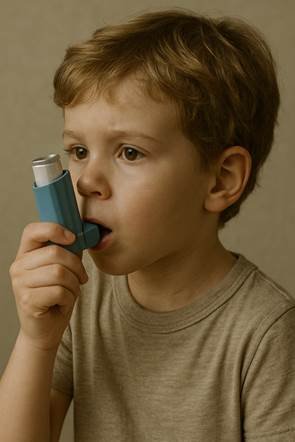
Fine and ultrafine particles (less than 2.5 micrometers in diameter, often referred to as PM2.5 or smaller) are capable of penetrating deep into the alveolar regions of the lungs. From there, nanoparticles can enter the bloodstream, cross biological barriers, and distribute systemically (Oberdörster et al., 2005).
Olfactory Nerve Transport:
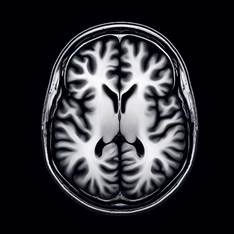
Nanoparticles inhaled through the nasal passages can bypass the blood-brain barrier entirely by direct transport along the olfactory nerve, leading to deposition within brain tissues (Calderón-Garcidueñas et al., 2016).
Dermal Absorption:
Although less efficient than inhalation, certain nanoparticles can penetrate the epidermis and enter the circulatory system, particularly in individuals with compromised skin barriers (Mortensen et al., 2008).
Ingestion:
Aerosol particulates can settle onto soil, crops, and water sources, leading to secondary ingestion through food and drink.
Given the persistent and pervasive nature of aerosol dispersal, exposure routes are not limited to a single mechanism but are compounded through multiple environmental and biological pathways. Chronic low-dose exposure is particularly concerning, as it allows for bioaccumulation over time without obvious acute toxicity.
7.3 Biochemical Mechanisms of Injury
Exposure to aerosolized particulates containing metals such as aluminium, barium, and strontium initiates a cascade of biological disruptions at the cellular and systemic levels. These disruptions primarily operate through the following mechanisms:
Oxidative Stress Induction:
Inhaled or absorbed metal nanoparticles generate excessive reactive oxygen species (ROS) within cells. Elevated ROS levels damage cellular membranes, proteins, lipids, and DNA, leading to chronic inflammation and cellular dysfunction (Valko et al., 2005).
Mitochondrial Dysfunction:
Nanoparticles are capable of entering mitochondria, the energy-producing organelles of cells, and impairing their function. Mitochondrial damage reduces ATP production, disrupts cellular metabolism, and contributes to energy deficits associated with systemic fatigue and neurodegeneration (Li et al., 2003).
Disruption of Methylation Pathways:
The detoxification of metals and repair of oxidative DNA damage require efficient methylation processes, which depend on the functional folate-methionine cycle. Individuals with mutations in the MTHFR gene (particularly C677T and A1298C variants) have compromised methylation efficiency, impairing their ability to detoxify metals and increasing their susceptibility to toxic accumulation and neurological injury (James et al., 2005).
Neuroinflammation and Neurotoxicity:
Metals such as aluminium are known to accumulate preferentially in the brain, particularly in regions associated with memory and emotional regulation, including the hippocampus and amygdala. Aluminium promotes neuroinflammation, amyloid plaque formation, and tau protein hyperphosphorylation, processes implicated in the development of Alzheimer’s disease and related dementias (Exley, 2013).
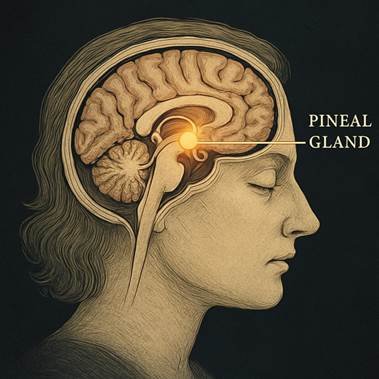
Pineal Gland Calcification:
The pineal gland is particularly vulnerable to calcification from aluminium and other environmental toxins. Disruption of pineal function impairs melatonin production, sleep regulation, and circadian rhythm entrainment (Kunz et al., 1999).
These biochemical mechanisms highlight the cumulative risk posed by chronic exposure to atmospheric aerosolized metals, particularly among genetically or biologically vulnerable populations.
7.4 Specific Vulnerable Populations
While aerosolized metal exposure poses risks to the general population, certain groups are biologically more vulnerable to the toxic and inflammatory effects of particulate metals. These groups face disproportionate health impacts due to genetic, developmental, or immunological susceptibilities:
Individuals with MTHFR and Related Genetic Mutations:
Genetic mutations affecting the methylation cycle, particularly in the MTHFR (methylenetetrahydrofolate reductase) gene, impair the body’s ability to detoxify heavy metals and repair oxidative damage. Studies have shown that individuals with homozygous C677T, A1298C, or compound heterozygous MTHFR mutations are at heightened risk for toxin accumulation, neurological injury, and inflammatory disease following environmental exposures (James et al., 2005).
Children:
The developing nervous system is particularly vulnerable to neurotoxicants. Inhaled nanoparticles can cross immature biological barriers more easily, disrupting critical periods of brain development, immune system programming, and endocrine function (Grandjean and Landrigan, 2014).
Elderly Individuals:
Age-associated declines in detoxification capacity, mitochondrial function, and immune surveillance mechanisms increase susceptibility to cumulative toxic load and neurodegenerative processes, particularly in the context of chronic low-level metal exposure (Calderón-Garcidueñas et al., 2016).

Neurodivergent Populations:
Neurodivergent individuals often exhibit heightened sensitivity to environmental stimuli, impaired detoxification pathways, and elevated markers of oxidative stress. Emerging research indicates that neurodivergent individuals may experience exacerbated health impacts from environmental toxicant exposures, including aerosolized metals (Rossignol and Frye, 2012).
Individuals with Chronic Illnesses or Immune Dysregulation:
People with pre-existing autoimmune conditions, chronic fatigue syndromes, or inflammatory disorders are at higher risk of exacerbation due to ongoing exposure to environmental stressors that further disrupt immune and mitochondrial homeostasis (Morris et al., 2014).
The failure to consider and protect these vulnerable populations in the deployment of atmospheric interventions constitutes a significant public health oversight and raises profound ethical concerns.
7.5 Documented Health Outcomes
Long-term exposure to fine and ultrafine aerosol particulates, particularly those containing neurotoxic metals such as aluminium, barium, and strontium, has been associated with a range of adverse health outcomes. These outcomes are increasingly supported by epidemiological, clinical, and experimental studies:
Neurodegenerative Diseases:
Chronic exposure to aluminium and other metal nanoparticles is linked to increased risk of neurodegenerative conditions, including Alzheimer’s disease, Parkinson’s disease, and other forms of dementia. Inhaled or systemically absorbed metals promote oxidative stress, protein misfolding, and neuroinflammation, all of which contribute to neurodegenerative pathology (Bondy, 2010; Exley, 2013).
Cognitive Impairment and Developmental Disorders:
Early-life exposure to airborne pollutants, including metal particulates, has been associated with impaired cognitive development, reduced IQ, increased behavioural disorders, and heightened risk of neurodevelopmental harm (Brockmeyer and D’Angiulli, 2016).
Autoimmune Disorders:
Metal exposure can act as an adjuvant, stimulating inappropriate immune activation and loss of tolerance, potentially triggering or exacerbating autoimmune conditions such as multiple sclerosis, systemic lupus erythematosus, and rheumatoid arthritis (Shoenfeld and Agmon-Levin, 2011).
Cardiovascular and Respiratory Disease:
Inhalation of fine particulate matter is associated with increased risk of hypertension, myocardial infarction, stroke, and chronic obstructive pulmonary disease (COPD), largely through mechanisms involving systemic inflammation, endothelial dysfunction, and oxidative stress (Brook et al., 2010).
Endocrine Disruption:
Emerging research suggests that airborne metals may interfere with hormonal regulation, affecting thyroid function, adrenal stress responses, and reproductive health (Tinkov et al., 2018).
Pineal Gland and Circadian Disruption:
Accumulation of metals such as aluminium in the pineal gland impairs melatonin production and circadian rhythm regulation, contributing to sleep disorders, mood dysregulation, and broader systemic metabolic disturbances (Kunz et al., 1999).
The health consequences of chronic low-dose exposure are cumulative and often manifest slowly, making attribution difficult without longitudinal tracking. Nevertheless, the convergence of epidemiological trends with known toxicological mechanisms presents a strong case for urgent precautionary action.
7.6 Ethical and Human Rights Violations
The deployment of atmospheric aerosol interventions without full public disclosure, informed consent, or transparent environmental health impact assessments constitutes a profound violation of established ethical principles and international human rights law.
Absence of Informed Consent:
Aerosolized interventions subject entire populations to environmental exposures involving potentially harmful substances without individual or collective informed consent. In medical ethics, particularly following the atrocities of the 20th century, the principle of informed consent became foundational. The Nuremberg Code (1947) explicitly states:
“The voluntary consent of the human subject is absolutely essential.”
No mechanisms currently exist for individuals to opt out or withhold consent regarding widespread atmospheric interventions, placing populations in the position of non-consenting participants in a large-scale environmental experiment.
Violation of Medical Ethics Principles:
The UNESCO Universal Declaration on Bioethics and Human Rights (2005) affirms that:
“Any preventive, diagnostic and therapeutic medical intervention is only to be carried out with the prior, free and informed consent of the person concerned.”
Although atmospheric aerosol operations are framed as climate interventions, their impact on human health categorises them under biomedical ethics -especially given the toxicological effects of inhaled particulates.
Breach of International Human Rights Law:
The International Covenant on Civil and Political Rights (ICCPR, 1966) -ratified by the United Kingdom- prohibits non-consensual medical or scientific experimentation. Article 7 states:
“No one shall be subjected without his free consent to medical or scientific experimentation.”
Atmospheric aerosol programs, particularly those involving substances with known toxicological profiles, constitute scientific experimentation at a planetary scale without meaningful public disclosure or consent processes.
Violation of Domestic Human Rights Protections (UK):
The UK’s Human Rights Act 1998 incorporates the European Convention on Human Rights into domestic law. Article 8 guarantees the right to respect for private and family life, including protection from environmental harm. Unauthorized aerosol interventions that may affect individual health and bodily autonomy conflict with these protections.
Environmental Justice and Discrimination:
Populations with genetic vulnerabilities (e.g., MTHFR mutations), chronic illnesses, or neurodevelopmental sensitivities are disproportionately affected, raising further concerns under the Convention on the Rights of Persons with Disabilities (CRPD, 2006), which mandates protection from discriminatory practices that disproportionately harm vulnerable groups.
Atmospheric interventions undertaken without informed consent violate multiple layers of ethical and legal protections, including:
- The Nuremberg Code (1947)
- UNESCO Universal Declaration on Bioethics and Human Rights (2005)
- International Covenant on Civil and Political Rights (1966)
- Human Rights Act 1998 (UK)
- Convention on the Rights of Persons with Disabilities (2006)
Such actions represent not only an environmental crisis but also a fundamental breach of bioethical, legal, and human dignity standards that were established precisely to prevent such abuses.
Section 8: Concluding Observations
Recent developments in geoengineering, particularly the public initiation of solar radiation management trials in the United Kingdom, mark a significant turning point in climate intervention discourse. While presented as emerging responses to climate change, observational and historical evidence suggests that atmospheric aerosol activities may have been occurring prior to formal public disclosure.
The interplay between geoengineering, atmospheric ionization, and a weakening geomagnetic field presents a complex and largely unaddressed set of risks to both climatic stability and terrestrial infrastructure. As the Earth’s magnetic shield continues to decline, the increased permeability to cosmic and solar radiation enhances ionospheric volatility and elevates the background charge in the atmosphere. When combined with stratospheric aerosol injection and other geoengineering interventions, this can result in significant unintended consequences -including altered cloud microphysics, increased fire susceptibility, and heightened vulnerability of electrical grids to geomagnetic disturbance.
These findings suggest that the atmospheric system, under present geomagnetic conditions, is not a neutral backdrop for intervention, but an active and sensitive circuit with deeply interconnected feedback mechanisms. In such a context, the addition of artificial conductive agents may exacerbate rather than mitigate climate-related instabilities.
The 2016 CBD technical report remains one of the most comprehensive and unflinching institutional acknowledgments of the risks associated with geoengineering. However, in the years since its publication, there has been a conspicuous absence of follow-up analysis, updated technical evaluations, or expanded governance mechanisms. The report’s warnings have not been retracted -but they have not been meaningfully revisited either.
This prolonged silence invites interpretation. It may reflect a form of controlled opposition, designed to acknowledge public concerns without disrupting prevailing climate intervention agendas. Alternatively, it may represent a more troubling possibility: that early institutional dissent was met with external pressure or disincentivised through political or geopolitical channels. In either case, the absence of transparent, updated discourse from such a key international body raises critical questions about the true autonomy of environmental governance in the context of large-scale technological deployment.
What remains is a documented record of early warning -public, timestamped, and hidden in plain sight- whose warnings grow more relevant with each year of inaction.
It is an important final note to emphasise that these large-scale interventions have been implemented without public consultation or informed consent, despite the potentially profound implications for biological, ecological, energetic, and societal systems. In light of these risks, further transparency, interdisciplinary assessment, and public discourse are urgently warranted before the continued deployment of such measures.
References
Agency for Toxic Substances and Disease Registry (ATSDR). (2004). Toxicological Profile for Strontium. Atlanta: U.S. Department of Health and Human Services.
BBC News. (2025). UK Scientists Begin Trials to Dim the Sun. [online] Available at: https://www.bbc.com/news/ [Accessed 28 Apr. 2025].
Bondy, S.C. (2010). The Neurotoxicity of Environmental Aluminum is Still an Issue. NeuroToxicology, 31(5), pp.575–581.
Brockmeyer, S., and D’Angiulli, A. (2016). How Air Pollution Alters Brain Development: The Role of Neuroinflammation. Translational Neuroscience, 7(1), pp.24–30.
Brook, R.D., Rajagopalan, S., Pope, C.A., Brook, J.R., Bhatnagar, A., Diez-Roux, A.V., et al. (2010). Particulate Matter Air Pollution and Cardiovascular Disease: An Update to the Scientific Statement From the American Heart Association. Circulation, 121(21), pp.2331–2378.
Calderón-Garcidueñas, L., et al. (2016). Megacities Air Pollution Problems: Mexico City Metropolitan Area Critical Issues on the Central Nervous System Pediatric Impact. Environmental Research, 137, pp.157–169.
Calderón-Garcidueñas, L., Kulesza, R.J., Doty, R.L., D’Angiulli, A., and Torres-Jardón, R. (2016). Megacities Air Pollution Problems: Mexico City Metropolitan Area Critical Issues on the Central Nervous System Pediatric Impact. Environmental Research, 137, pp.157–169.
Carnicom, C.E. (2001). Aerosol Operations: Evidence and Implications. Carnicom Institute. Available at: https://library.carnicominstitute.org/research_papers/Carnicom_Institute_Research-2001.pdf
Carrington, D. (2025). UK Starts Sun-Dimming Climate Trials. The Guardian. [online] Available at: https://www.theguardian.com/ [Accessed 28 Apr. 2025].
Convention on the Rights of Persons with Disabilities (CRPD). (2006). United Nations. Available at: https://social.desa.un.org/issues/disability/crpd/convention-on-the-rights-of-persons-with-disabilities-crpd
Exley, C. (2013). Human Exposure to Aluminium. Environmental Science: Processes & Impacts, 15(10), pp.1807–1816.
Exley, C. (2013). Human Exposure to Aluminium. Environmental Science: Processes & Impacts, 15(10), pp.1807–1816.
Finlay, C.C., Kloss, C., Olsen, N., Hammer, M.D. & Tøffner-Clausen, L. (2020). The CHAOS-7 geomagnetic field model and observed field acceleration. Geophysical Journal International, 221(1), 144–166. https://www.semanticscholar.org/paper/The-CHAOS-7-geomagnetic-field-model-and-observed-Finlay-Kloss/c6aa7a8252094cad355a0bb0f7351493755480a3
Grandjean, P., and Landrigan, P.J. (2014). Neurobehavioural Effects of Developmental Toxicity. The Lancet Neurology, 13(3), pp.330–338.
Herndon, J.M. (2015). Evidence of Coal-Fly-Ash Toxic Chemical Geoengineering in the Troposphere: Consequences for Public Health. International Journal of Environmental Research and Public Health, 12(8), pp.9375–9390.
Human Rights Act 1998, c. 42. Available at: http://www.legislation.gov.uk/ukpga/1998/42 (Accessed 01/05/2025)
International Covenant on Civil and Political Rights (ICCPR). (1966). United Nations Treaty Series, vol. 999, p.171.
IPCC. (2021). Sixth Assessment Report (AR6): Climate Change 2021 – The Physical Science Basis. Cambridge University Press.
James, S.J., Melnyk, S., et al. (2005). Metabolic Endophenotype and Related Genotypes Are Associated with Oxidative Stress in Children with Autism. American Journal of Medical Genetics Part B: Neuropsychiatric Genetics, 136B(1), pp.1–10.
James, S.J., Melnyk, S., Jernigan, S., Cleves, M.A., Halsted, C.H., Wong, D.H., Cutler, P., Bock, K., Boris, M., Bradstreet, J.J., Baker, S.M., Gaylor, D.W. (2005). Metabolic Endophenotype and Related Genotypes Are Associated with Oxidative Stress in Children with Autism. American Journal of Medical Genetics Part B: Neuropsychiatric Genetics, 136B(1), pp.1–10.
Journal of Geophysical Research: Atmospheres, 117(D6), D06106. https://www.researchgate.net/publication/252527794_Acid_Deposition_From_Stratospheric_Geoengineering_With_Sulfate_Aerosols
Keith, D.W. (2000). Geoengineering the Climate: History and Prospect. Annual Review of Energy and the Environment, 25, pp.245–284.
Krewski, D., Yokel, R.A., Nieboer, E., Borchelt, D., Cohen, J., Harry, G.J., Kacew, S., Lindsay, J., Mahfouz, A.M., Rondeau, V. (2009). Human health risk assessment for aluminum, aluminum oxide, and aluminum hydroxide. Journal of Toxicology and Environmental Health, Part B, 12(4), pp.1–269.
Kunz, D., et al. (1999). A New Concept for Melatonin Deficit: On Pineal Calcification and Melatonin Excretion. Neuropsychopharmacology, 21(5), pp.765–772.
Kunz, D., Schmitz, S., Mahlberg, R., Mohr, A., Stöter, C., Wolf, K.J., Herrmann, W.M. (1999). A New Concept for Melatonin Deficit: On Pineal Calcification and Melatonin Excretion. Neuropsychopharmacology, 21(5), pp.765–772.
Lenton, T.M., Held, H., Kriegler, E., Hall, J.W., Lucht, W., Rahmstorf, S. & Schellnhuber, H.J. (2009). Tipping elements in the Earth’s climate system. Proceedings of the National Academy of Sciences, 106(49), 20561–20563. https://www.pnas.org/doi/10.1073/pnas.0705414105
Li, N., Sioutas, C., Cho, A., Schmitz, D., Misra, C., Sempf, J., Wang, M., Oberley, T., Froines, J., Nel, A. (2003). Ultrafine Particulate Pollutants Induce Oxidative Stress and Mitochondrial Damage. Environmental Health Perspectives, 111(4), pp.455–460.
Morris, G., Anderson, G., et al. (2014). Chronic Fatigue Syndrome and Central Nervous System Inflammation. Progress in Neuro-Psychopharmacology and Biological Psychiatry, 48, pp.25–36.
Mortensen, L.J., Oberdörster, G., Pentland, A.P., DeLouise, L.A. (2008). In Vivo Skin Penetration of Quantum Dot Nanoparticles in the Murine Model: The Effect of UVR Exposure. Nano Letters, 8(9), pp.2779–2787.
NASA Worldview. (2025). Satellite Data Archive. [online] Available at: https://worldview.earthdata.nasa.gov/ [Accessed 28 Apr. 2025].
NASA. (2019). Earth’s Magnetic Field Is Acting Up and Scientists Don’t Know Why. [online] Available at: https://www.nasa.gov/ [Accessed 28 Apr. 2025].
National Academy of Sciences (NAS). (2015). Climate Intervention: Reflecting Sunlight to Cool Earth. Washington, DC: The National Academies Press.
Nuremberg Code (1947). Trials of War Criminals before the Nuremberg Military Tribunals under Control Council Law No. 10, Vol. 2, pp. 181-182.
Oberdörster, G., Oberdörster, E., and Oberdörster, J. (2005). Nanotoxicology: An Emerging Discipline Evolving from Studies of Ultrafine Particles. Environmental Health Perspectives, 113(7), pp.823–839.
Panovska, S., Poluianov, S., Gao, J., Korte, M., Mishev, A., Shprits, Y.Y. & Usoskin, I. (2023). Effects of global geomagnetic field variations over the past 100,000 years on cosmogenic radionuclide production rates in the Earth’s atmosphere. Journal of Geophysical Research: Space Physics, 128(8), e2022JA031158. https://agupubs.onlinelibrary.wiley.com/doi/10.1029/2022JA031158
Pulkkinen, A., Bernabeu, E., Eichner, J., Beggan, C. & Thomson, A.W.P. (2012). Generation of 100-year geomagnetically induced current scenarios. Space Weather, 10(4), S04003. https://agupubs.onlinelibrary.wiley.com/doi/10.1029/2011SW000750
Robock, A., Marquardt, A., Kravitz, B., Stenchikov, G. (2009). Benefits, risks, and costs of stratospheric geoengineering. Geophysical Research Letters, 36(19).
Rossignol, D.A., and Frye, R.E. (2012). A Review of Research Trends in Physiological Abnormalities in Autism Spectrum Disorders: Immune Dysregulation, Inflammation, Oxidative Stress, Mitochondrial Dysfunction and Environmental Toxicant Exposures. Molecular Psychiatry, 17(4), pp.389–401.
Royal Society. (2009). Geoengineering the Climate: Science, Governance and Uncertainty. London: The Royal Society. Available at: https://royalsociety.org/news-resources/publications/2009/geoengineering-climate/
SACN & PHE. (2016). Vitamin D and Health: Report of the Scientific Advisory Committee on Nutrition. London: Public Health England. Available at: https://www.gov.uk/government/publications/sacn-vitamin-d-and-health-report [Accessed 1 May 2025].
Shoenfeld, Y., and Agmon-Levin, N. (2011). ‘ASIA’—Autoimmune/Inflammatory Syndrome Induced by Adjuvants. Journal of Autoimmunity, 36(1), pp.4–8.
Tinsley, B.A. & Yu, F. (2004). Atmospheric Ionization and Clouds as Links Between Solar Activity and Climate. In: Pap, J.M. et al. (eds) Solar Variability and Its Effects on Climate. American Geophysical Union, pp. 321–339. https://agupubs.onlinelibrary.wiley.com/doi/10.1029/141GM22
Tinkov, A.A., Filippini, T., Ajsuvakova, O.P., Aaseth, J., Bjørklund, G., Skalny, A.V., et al. (2018). The Role of Trace Elements and Minerals in Obesity and Metabolic Diseases. Current Medicinal Chemistry, 26(19), pp.3200–3220.
UNESCO. (2005). Universal Declaration on Bioethics and Human Rights. Paris: United Nations Educational, Scientific and Cultural Organization.
United States Environmental Protection Agency (EPA). (2000). Contrails Factsheet. [online] Available at: https://www.epa.gov/ [Accessed 28 Apr. 2025].
Valko, M., Morris, H., and Cronin, M.T.D. (2005). Metals, Toxicity and Oxidative Stress. Current Medicinal Chemistry, 12(10), pp.1161–1208.
Williams, E.R. (2005). Lightning and climate: A review. Atmospheric Research, 76(1–4), 272–287. https://www.sciencedirect.com/science/article/pii/S0169809505000542
Williamson, P. & Bodle, R. (2016). Update on Climate Geoengineering in Relation to the Convention on Biological Diversity: Potential Impacts and Regulatory Framework. CBD Technical Series No. 84. Montreal: Secretariat of the Convention on Biological Diversity.
Available at: https://www.cbd.int/doc/publications/cbd-ts-84-en.pdf [Accessed 1 May 2025].
World Health Organization (WHO). (2001). Barium in Drinking-Water: Background document for development of WHO Guidelines for Drinking-water Quality. Geneva: WHO.
Very interesting reading that I am going to reread probably several times.