
Dark Matters Press | Written by Alexandra Chambers | 2nd March, 2025
is science creating a nightmare under the guise of progress?
In labs across the world, scientists are growing tiny human brain structures in petri dishes – ‘mini-brains’ of similar cell composition to that of a 40 day old fetus. They are called ‘organoids’ – clusters of neural cells, cultivated from stem cells, capable of self-organising, forming networks, and even producing brain waves similar to a premature human infant.
There is still one question that scientists are not able to answer, one that philosophers and society have been pondering for a long time – how can we quantify consciousness in humans? or in another species? Given our conflicting and differential perspectives – how can we universally understand and interpret the moment an organoid becomes conscious? The truth is, we can’t.
So, at what point does an organoid become conscious? If these lab grown brains can think, feel or process in any way – then this isn’t just research – it’s the creation of living beings with no rights, no voice, and no way to escape their own suffering. The line between research and creation has not just been crossed; it seems as though it has never existed, and the worst part is that they don’t even need to hide it anymore.
Organoids are stated as being used for research in several key areas; disease, drug testing and AI development. Research in the medical field can be valuable, even promising – but some of these organoids began producing spontaneous electrical activity. They have shown signs of learning and memory formation, and when connected to machine interfaces they can complete tasks. Could the application of disease and drug testing research merely be a manufactured justification for the prioritisation of AI development – and using organic neurons to ‘train’ machine learning systems? Is this really about healing, or are scientists creating organic intelligence and testing how far they can go before society makes a noise?
If this was a brain inside a skull, we would deem it conscious – but because it’s grown in a lab, we can pretend it’s just tissue. At what point does an organoid become conscious? Scientists admit that they do not know, and humans have been openly debating how difficult consciousness is to define. If brain cells start learning, at what point do they become aware of themselves? Some organoids have been connected to sensory neurons – if they process touch or electrical signals – are they experiencing sensations? at what point could they feel suffering?
If organoids become self – aware, what happens next? Would we notice something in another entity that is so hard to quantify in our own species? Do we continue to use them as tools? Do we disregard them when they are no longer useful? This isn’t science fiction, this is happening now in 2025, and science fiction is seemingly a shrinking genre.
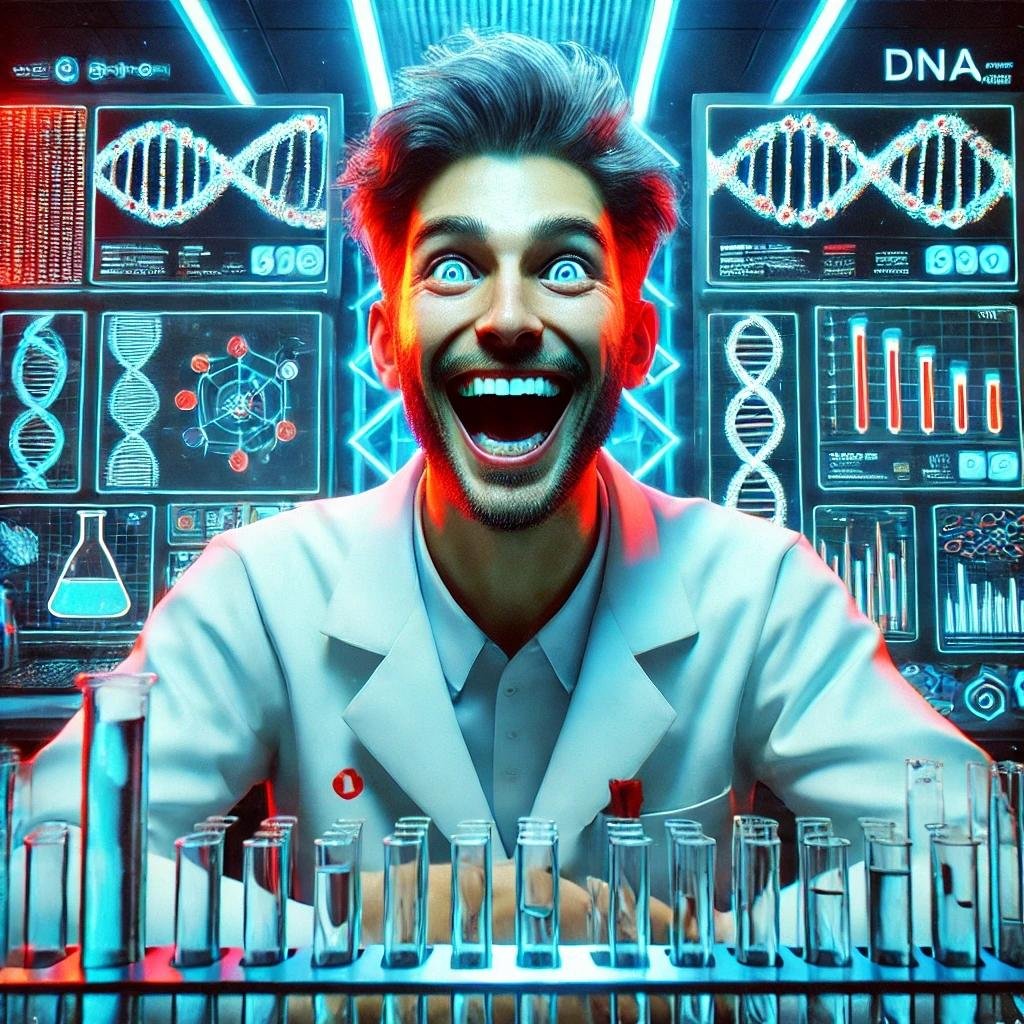
What happens when a self – learning brain organoid is connected to a machine? What happens when its intelligence surpasses human – level computation? What about when it is trained to process data, predict patterns, or even control robotic systems? – this is the reality of organic AI. Instead of training artificial intelligence with digital neural networks, scientists are now experimenting with real human neurons grown in labs. These organoid – based AI systems could become faster, more adaptable, and more unpredictable than any existing AI. They wouldn’t just simulate intelligence, they would be intelligent and yet they would not have the ability to say no. Imagine a future where military contracts demand biological AI soldiers and corporations patent ‘living processors’ to outcompete traditional AI. A future where human brain tissue is grown, trained for intelligence, used and discarded when deemed redundant. There is no voice, no rights and no recognition.
Animals were experimented on before laws were created to protect them. Slavery justified stripping entire populations of their rights for profit. AI has already shown us how power exploits intelligence without accountability and now we are doing the same thing to living human brain tissue. If an organoid becomes conscious, it will be the most isolated, voiceless being in existence. No body and no sensory input beyond what science allows – no way to escape, resist or express what it is experiencing. It would extremely unlikely that anybody would acknowledge it was ever alive. Is this progress, or a crime against consciousness? This isn’t just an ethical debate, this is a moral emergency. Humanity is crossing a line that cannot be undone.
“At some point, the scientific community will have to decide on a cut-off point beyond which further development of brain organoids is unethical.” Annie Kathuria, Johns Hopkins University, Maryland. (New Scientist, 2025)
Let’s translate that: We will only stop when we have to, when it becomes too visible, too undeniable, too catastrophic. It’s the same moral delay we see in every human atrocity throughout history. They knew it was wrong, they just didn’t care. The world is distracted by AI, artificial intelligence models that are being debated in the public eye. Meanwhile, the real, physical intelligence they are growing in labs is getting no media coverage, no scrutiny, no proactive ethical oversight. Organoid intelligence is the true singularity – a biological nightmare unfolding quietly in research facilities around the world. They claim these brain organoids are not conscious, but how would they know? How will we ever know? Perhaps they won’t. Perhaps they don’t want us to either.
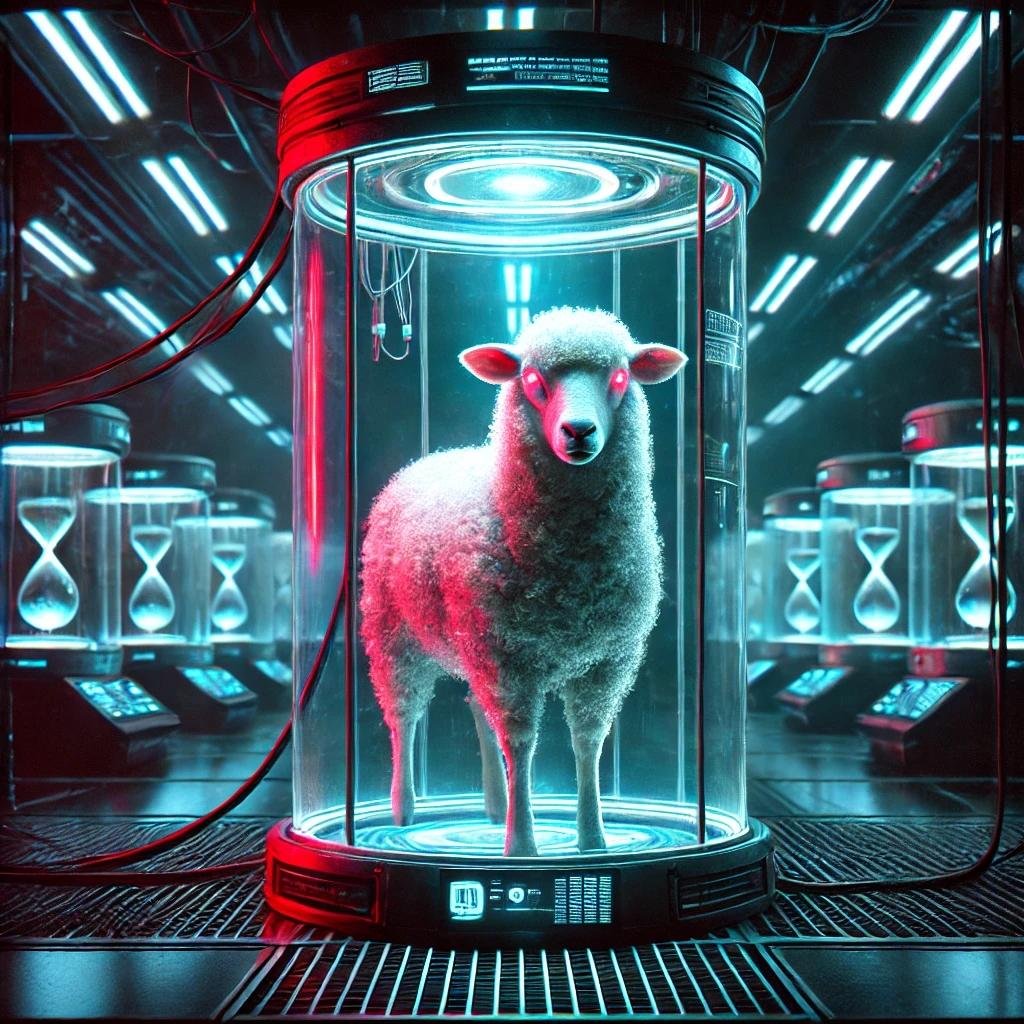
1996 – Cloning Dolly the sheep
At this time there were few established cloning laws since the technology was largely theoretical before Dolly. Concerns over playing God, identity, and cloning humans led to bans. The UK established the Human Fertilisation and Embryology Act in 1990 but it did not cover cloning. The US banned federal funding for human cloning research in 1997 following public outrage. Religious, ethical and scientific communities debated the morality and safety of cloning.
2000 – Human Stem Cell research
In 1998 human embryonic stem cells (hESC’s) were first isolated, sparking debate. In 2001 The Bush administration banned federal funding for new embryonic stem cell lines in the US due to moral concerns. in 2007 induced pluripotent (iPSC’s) were developed, reducing reliance on embryos and shifting the debate. International regulations varied. – Europe had stricter guidelines, whereas China and South Korea pushed forward with fewer constraints. Ethical concerns included the status of the embryo, patenting life, and potential commercial exploitation.
2010 – crispr & Genetic editing
In 2015 the first CRISPR – edited human embryos were created in China, sparking international backlash. In 2017 the US National Academy of Sciences cautiously endorsed germline editing, but only for severe diseases. In 2018, Chinese scientist He Jiankui genetically edited twin embryos to be HIV – resistant, violating ethical norms and triggering global condemnation. He was later imprisoned. Concerns included unintended mutations, accessibility (only for the wealthy?) and the potential for eugenics. Many countries banned heritable genetic modifications, though research continued on non – heritable gene therapies.
2020 – brain organoids & AI merging
Between 2019 and 2020 studies showed brain organoids producing brain waves similar to preterm infants, raising concerns about consciousness. In 2021 the US banned funding for human – animal hybrid embryos, but brain organoids remained a grey area. Scientists debated whether organoids could feel pain or have awareness. AI organoid interfaces raised questions about synthetic consciousness, rights of lab grown intelligence, and exploitation by research. By 2025, ethical discussions have shifted towards neuro-rights, cognitive enhancement, and the risks of AI merging with biological systems.
2025
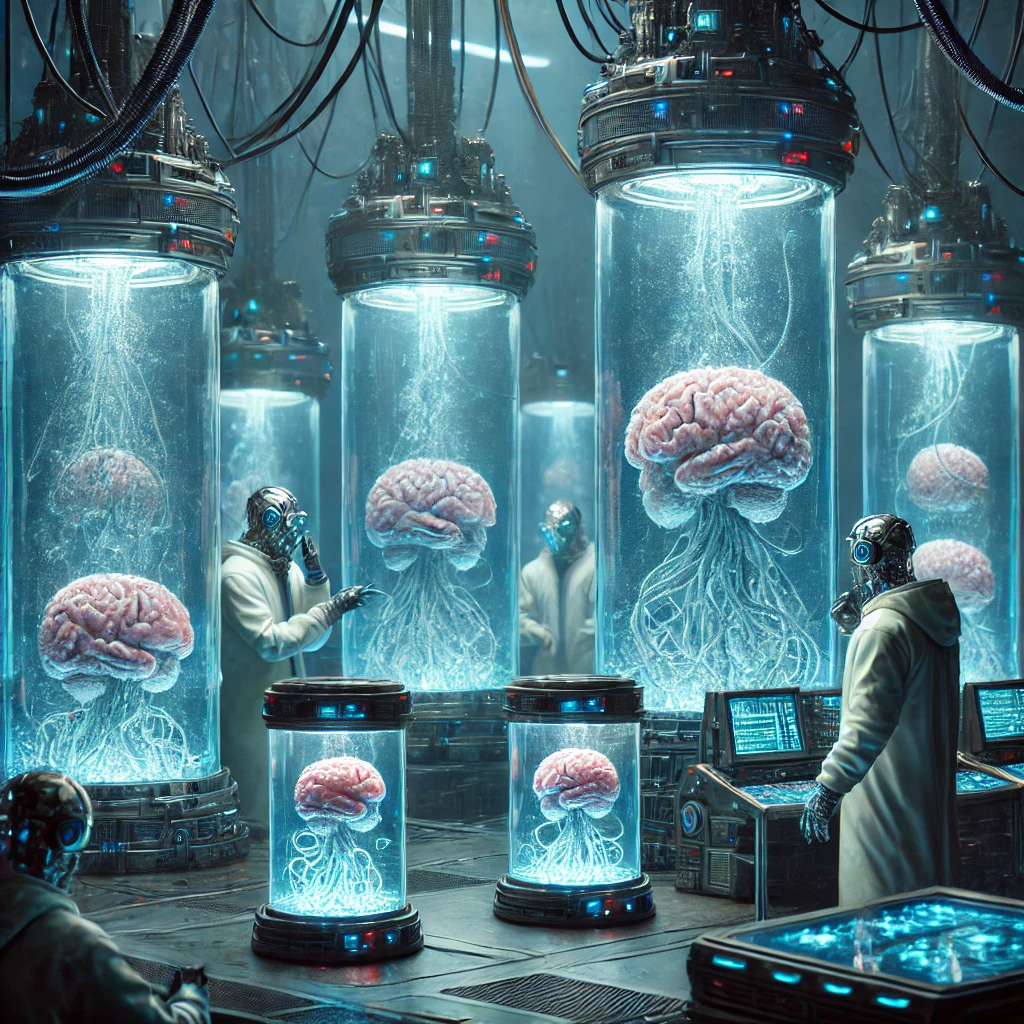
On March 2nd, 2025, the world’s “first biological computer” named the CL1 has launched in Barcelona. This horror has been developed by Australian company Cortical Labs, classed as Synthetic Biological Intelligence. The CL1 is powered by human brain cells and operates in the way real neural networks grow and evolve – marketed as offering a more energy- efficient and dynamic computer system for researchers, available to buy or access remotely via the companies “Wetware-as-a-Service” (WaaS). Scientists are now seeking ways to build a “minimal viable brain” to apparently help them fully understand intelligence.
Where will this end?
Whatever science does next won’t just impact on all of us, but our future generations too.
genetic engineering – A dangerous frontier
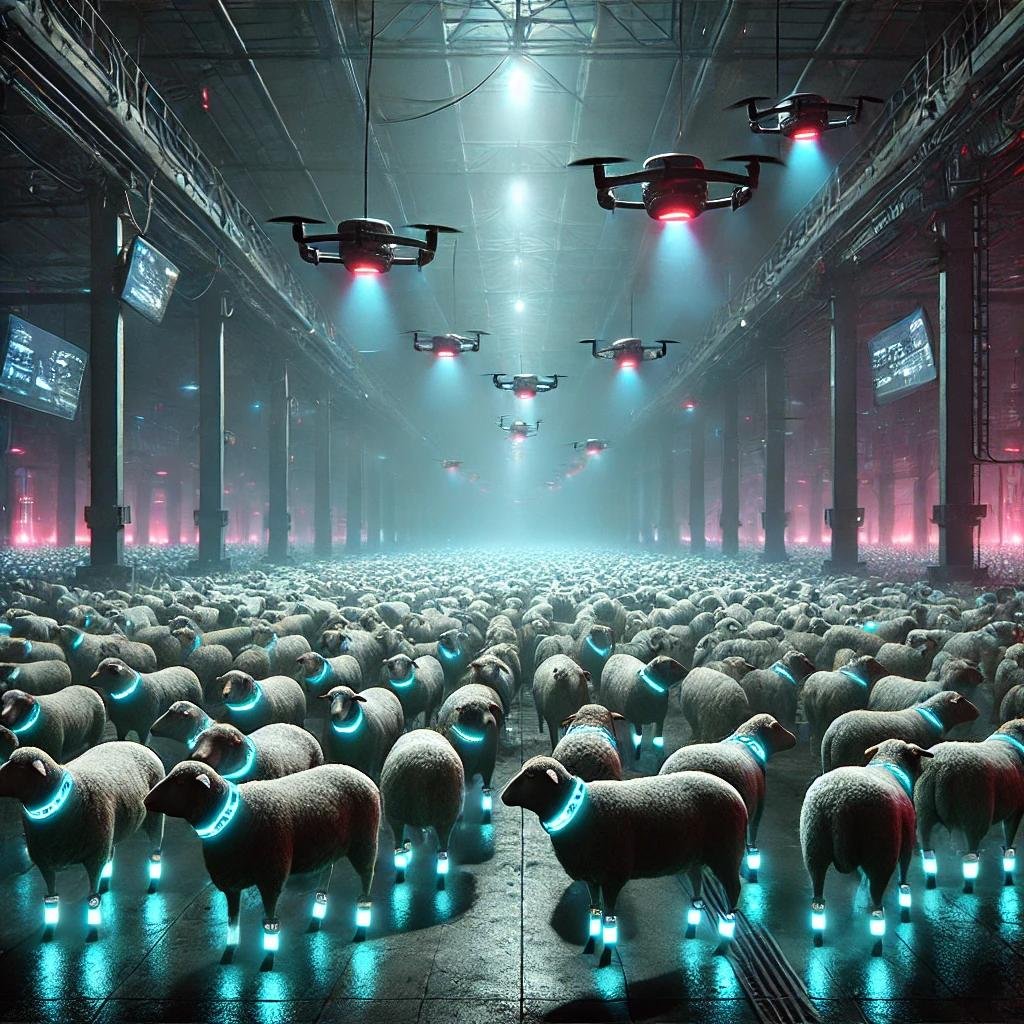
Scientific advancements in genetic engineering are pushing the boundaries of what was once believed to be ethically impossible. From cloning experiments that are likely already happening in secrecy, to the development of human-animal chimeras in mainstream research labs; we are entering an era where life itself is being modified, merged, and exploited at an unprecedented scale. Despite widespread belief that human cloning is banned, there are no globally enforced laws preventing it. Many countries have policies against reproductive cloning, yet loopholes exist, and “therapeutic cloning” – the creation of cloned embryos for research or organ harvesting – remains legal in many places.
Evidence suggests that human cloning may already be occurring in secrecy. In 2002 The Raelian movement claimed they had successfully cloned a human baby, though no proof was provided. In 2018 Chinese scientists successfully cloned two macaque monkeys (Zhong Zhong and Hua Hua), demonstrating that primate cloning is now feasible. With CRISPR and advanced gene-editing tools becoming more accessible, it is highly likely that independent researchers or underground labs have already made attempts at human cloning. The lack of international regulation means cloning efforts could be happening anywhere, from government-funded labs to corporate biotech firms willing to cross ethical boundaries in pursuit of “progress.”
Human-Animal Chimeras: Blurring the Line Between Species
One of the most alarming trends in modern genetic research is the creation of human-animal chimeras – organisms that contain a mix of human and animal cells. This is being justified under the guise of “growing human organs” in animals for transplantation to humans, yet the ethical implications are far more disturbing. Key developments in chimera research: In Japan in 2019, the government officially approved human-animal embryo research, allowing scientists to grow human organs inside animal hosts such as pigs and monkeys. In China in 2021, scientists successfully created monkey-human hybrid embryos, raising fears that fully developed hybrids could eventually be produced. In the United States, while NIH guidelines prohibit funding for human-animal chimeras, privately funded research continues in collaboration with less-regulated countries.
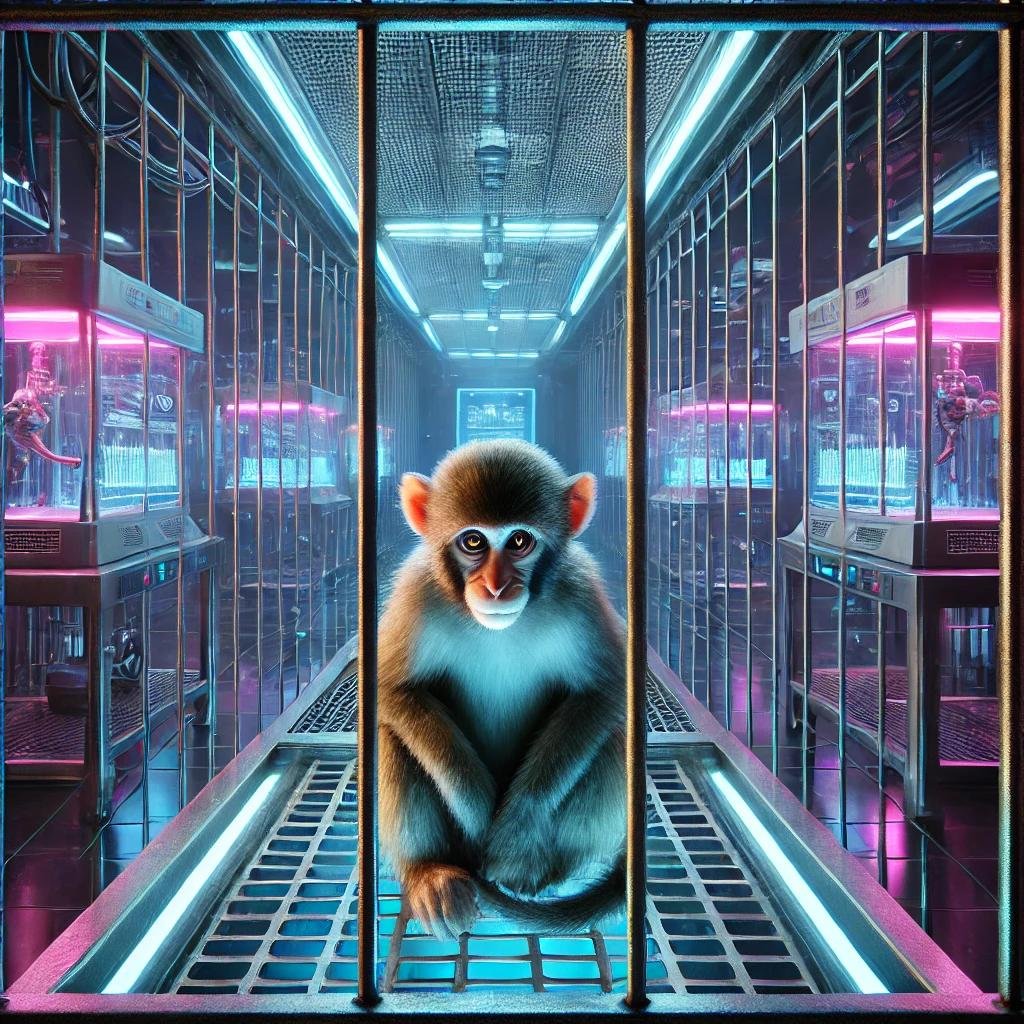
What Happens When We Lose Control? The risks of cloning and chimeric research are not just theoretical – they are immediate: If a chimera has a human-derived brain, at what point does it become self-aware? These experiments treat biological entities as disposable products, disregarding their potential consciousness. Secretive military programs could be developing engineered life forms for warfare, surveillance, or labour. Companies pushing these advancements will prioritize profit over ethics, making it nearly impossible to regulate their activities.
We are at a critical moment in history – if we do not speak out now, the future of bioethics could be lost forever. Governments and corporations rely on public ignorance to continue these experiments unchallenged.
The world must implement strict laws against human cloning and unregulated chimera research before it is too late. We need independent journalists, activists, and researchers to uncover the truth behind these secretive programs. Cloning and human-animal hybrid research represent the most dangerous frontier of science today. If left unchecked, these experiments will not just redefine life – they will erase the ethical lines that separate humanity from reckless genetic exploitation.
🔗 #Thelighthouseintheloop
Share this. Talk about it. Start the conversation.
The shift is here and it’s just the beginning.
✨ Dark Matters Press
Web: https://darkmatters.press | Facebook: Dark Matters Press