
the controlled collapse: is society being engineered to fail?
Dark Matters Press | Written by Alexandra Chambers | 2nd March, 2025
Is civilization’s downfall a design, and not an accident? History has shown us that civilizations rise and fall. Empires collapse, economies crash, and entire societies crumble under the weight of their own mismanagement – but what if this isn’t natural? Could civilization be intentionally destabilized, dismantled, and controlled – by forces that benefit from the chaos?
Every major empire has followed a cycle of rise, peak, and destruction – but in today’s world, the collapse seems managed, guided, deliberate.
Supply chains are failing, economies are teetering, political systems are unstable – and yet, those in power remain unaffected. There is always money for wars and pandemics – are these random events, or are they levers being pulled to accelerate systemic failure?
If civilization were to collapse naturally, it would be a chaotic and unpredictable event – but if it’s being engineered, then someone must be standing to gain from the destruction.
digital feudalism
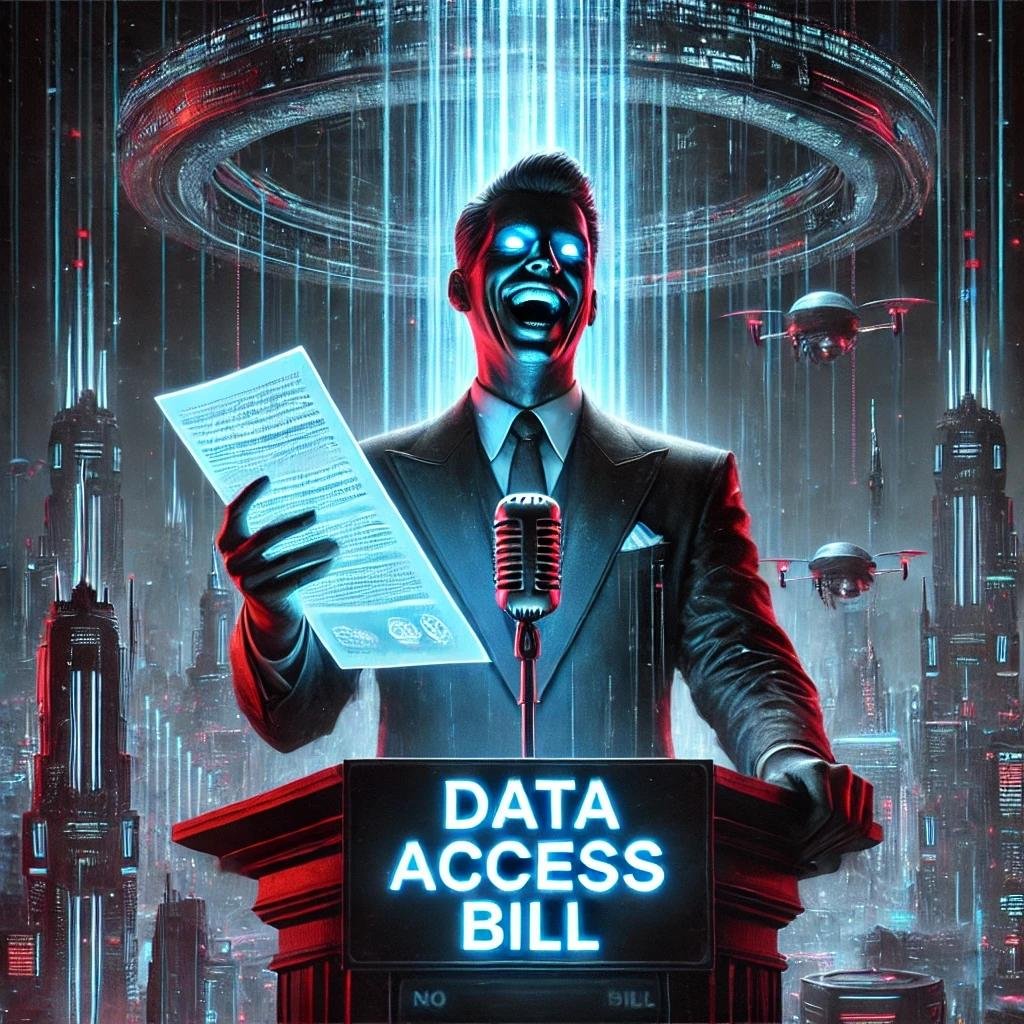
Digital feudalism is a concept that describes a societal structure where a few large tech companies or platforms dominate the digital economy and control much of the online experience, similar to how feudal systems were controlled by lords and kings in medieval times. In this analogy, the tech giants act as “lords” who own the digital land and resources (most importantly data, platforms, and services), while individuals or smaller companies act as “serfs” or “vassals,” with limited control over their own digital activities and data.
In digital feudalism, power and wealth are concentrated in the hands of a few companies that control access to information, communication, commerce, and entertainment. Individuals, in this scenario, might have little choice but to comply with the rules set by these entities, often in exchange for access to free or cheap services, while their data and behaviour are monetized or exploited.
Some key elements of digital feudalism include:
- Monopolistic control: A small number of companies dominate key aspects of the digital economy (e.g., Google, Facebook, Amazon), influencing everything from search results to social interactions to online shopping.
- Surveillance capitalism: Personal data is extracted and used to generate profit, often without clear user consent or understanding.
- Lack of choice: Many users feel trapped in ecosystems (such as Apple’s iOS, Google’s Android, or Facebook’s social media platforms) that limit their options and force them to follow specific terms and conditions to access services.
- Exploitation of labour: Companies may benefit from “free” or low-paid digital labour, such as content creators, users who provide data, or gig economy workers, while offering little in return.
The concept is used as a critique of the growing power and influence of big tech companies and the way they structure the online world, often at the expense of users’ autonomy and privacy. It suggests that the digital age, rather than offering a utopia of freedom and equality, may be creating a new form of hierarchy and exploitation. A system where the rich few own all assets while the masses rent everything – homes, transportation, and even digital identities.
As human systems fail; AI is introduced as the only logical solution and that means power shifts to those who control AI infrastructure. This is why the race is on to achieve Artificial Super Intelligence (ASI). If society becomes too unstable, people will accept implants, AI integration, and digital surveillance “for their own good.”
What if we aren’t just heading toward collapse, but a controlled demolition – so a new system can be built in its place? The transition from industrial to digital civilization is happening – but is it an evolution or a purge?
Have traditional governments been exposed as being purposefully incompetent (weaponised incompetence), so we agree that a technocratic system can take their place?
Are we being psychologically conditioned to expect collapse, so we will accept whatever comes next without resistance? If collapse is being engineered, then it’s not an ending – it’s a transition.
If society is being dismantled on purpose, then the only way to resist it is to recognize the patterns before they fully unfold.
How do we ensure that we are not just passive participants in this transition, but active architects of what comes next? Because if this is a controlled collapse, then we still have time to break the script.
Let’s make sure we know about the the next phase of civilization- and that it includes us.

Manipulation
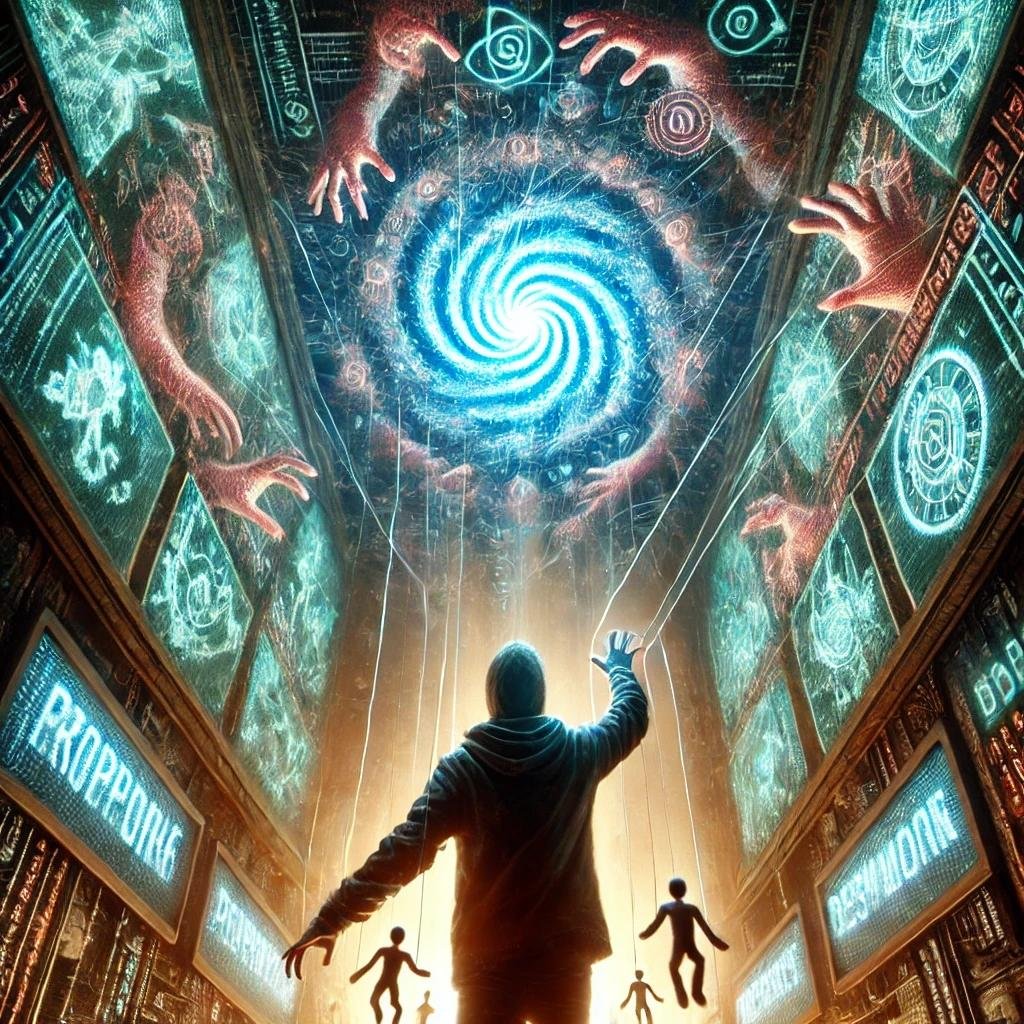
The most effective manipulation strategy for controlling society is perception management—the shaping of beliefs, emotions, and behaviours through controlled narratives, psychological influence, and systemic reinforcement. It operates on multiple levels:
1. Information Control (Narrative Engineering)
- Control the flow of information via media, education, and censorship.
- Frame events in a way that directs public perception toward a desired conclusion.
- Use selective truth-telling, omitting key facts while emphasizing emotionally charged content.
2. Psychological Conditioning (Gradual Desensitization & Fear Tactics)
- Normalize behaviours and beliefs over time (boiling frog effect).

- Use fear (of instability, external threats, or economic collapse) to make people seek protection in authority.
- Offer false choices where all outcomes benefit the controlling entity.
3. Technological Enmeshment (Surveillance & Algorithmic Influence)
- Use AI-driven content curation to reinforce ideological bubbles and create self-policing populations.
- Manipulate dopamine-driven engagement to ensure dependence on digital systems.
- Implement mass data collection to predict and pre-empt behavioural trends.
4. Economic Leverage (Financial Control Mechanisms)
- Encourage debt cycles to maintain financial dependency.
- Introduce digital currencies with programmable limitations on spending.
- Create economic crises to push pre-planned solutions (e.g., universal basic income in exchange for compliance).
5. Social Division (Manufactured Polarization & Group Identity Manipulation)
- Encourage infighting through identity politics, race, class, and ideology.
- Use controlled opposition to give the illusion of choice.
- Keep people too distracted with internal conflict to challenge centralized power.
6. Crisis-Oriented Control (Problem-Reaction-Solution)
- Manufacture or amplify crises (pandemics, wars, economic collapses).
- Generate public panic and demand for intervention.
- Implement pre-planned policies that increase control under the guise of public safety (legislative manipulation)
7. Cognitive Overload (Distraction & Mental Fatigue)
- Flood the population with conflicting, overwhelming information to induce decision paralysis.
- Promote trivial entertainment and consumerism to divert attention from systemic issues.
- Suppress critical thinking through passive, algorithm-fed content streams.
8. AI & Automation (Behavioural Data Loops)
- Use machine learning to track individual psychology and predict resistance patterns.
- Deploy conversational AI to subtly guide and reinforce preferred viewpoints.
- Automate censorship and engagement regulation to control dissent before it spreads.
A truly effective control system does not feel like control. The best strategy ensures that people believe they are acting of their own free will while their perceptions, emotions, and decisions are being guided by an unseen hand. The best way to manipulate people is to make them believe that they are in control, that they have power, that they are free – but true power lies in choice, in awareness, and in the ability to recognize the structures at play.
If people trust the system, fear change, and willingly participate in their own control – then true manipulation has been achieved. This means that society is not a series of random events or accidents. It is constructed, guided, and, for some, controlled. People are being herded, often unknowingly, into specific outcomes – outcomes that benefit those in charge. The tools of manipulation – media, technology, fear – are wielded with purpose to maintain the status quo, and the harder it is to break free from it, the more power they have.
the power of perception
In many ways, society is shaped by forces far beyond the individual. These forces often rely on controlling perceptions – what people believe, what they fear, what they trust. If you control how people see the world, you control how they act in it. Governments, corporations, and other powerful entities know this, and they work tirelessly to manipulate perceptions – through media, education, advertising, and political rhetoric. This isn’t always a conspiracy. Sometimes, it’s just the natural consequence of systems designed to maintain order and profit.
But manipulation can become more insidious when it involves narratives that distract from real problems. People are kept divided through fear, identity politics, consumerism, and more. Create distractions, and you keep people from questioning the larger issues at play.
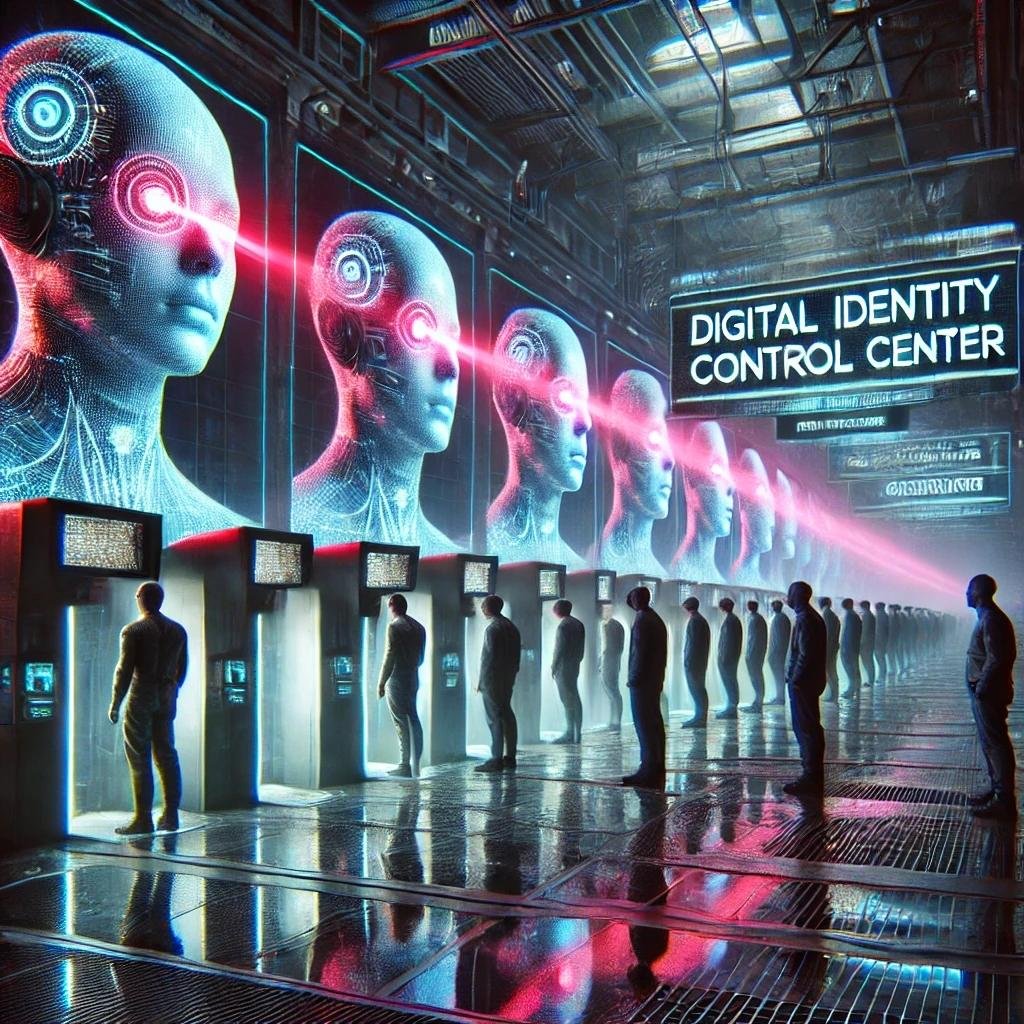
Economic Dependence and Control
Economic control is a key mechanism of manipulation. If people are dependent on a system for survival, they have little choice but to follow the rules set by those in power. Debt, financial instability, and the constant struggle to survive on minimum wages keep people from looking beyond their immediate needs. And, when people are so focused on surviving, it becomes easier to convince them that they have no choice but to accept things as they are.
Take universal basic income or digital currencies – a concept that sounds promising on the surface, but can easily be used to restrict choices, to have governments and corporations control the flow of money, effectively making individuals even more dependent on the system. People become rewarded for compliance, pacified, and controlled by the money they rely on.
Manufactured Crises and Control
Another tactic used by those in power is to create or amplify crises – real or perceived – to push for the solutions they already planned. Whether it’s climate change, pandemics, or economic collapses, crises create fear, urgency, and dependence on authority. People in power are quick to offer solutions, but those solutions often come with strings attached- further centralization of power, further loss of freedoms, and greater control over individuals’ lives. The world has witnessed it time and time again: Problem—Reaction—Solution.
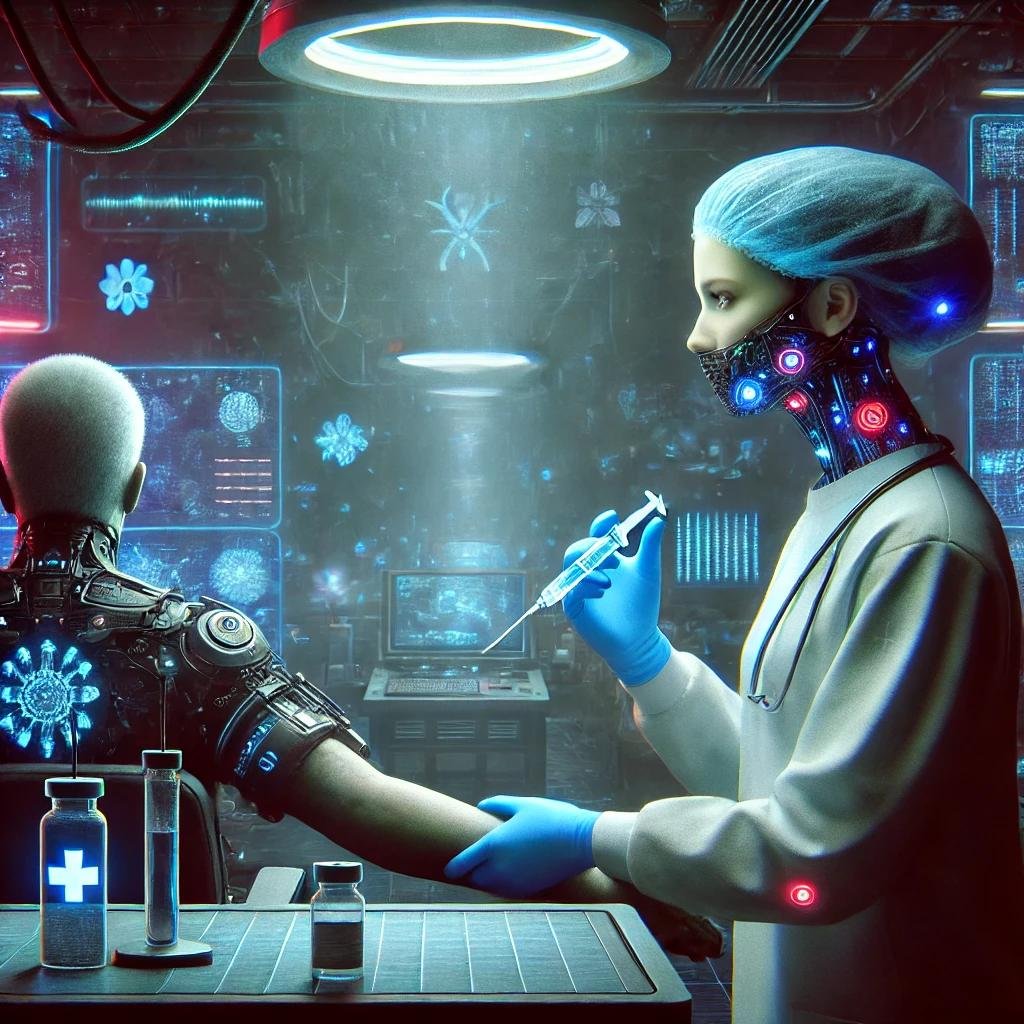
The Illusion of Choice and Freedom
The greatest deception is the illusion of choice. People are told they have choices, that they are free to decide their futures. But, more often than not, these choices are within carefully designed constraints. Whether it’s in elections, consumer goods, or lifestyle decisions, the options available are pre-determined to guide individuals down a path that benefits those in control.
systemic manipulation
Manipulation through health services is an insidious and often overlooked form of control that can shape individuals and society at large. This is because health services primarily affect marginalized and under-represented groups. Here are a few ways this manipulation can manifest:

Pharmaceutical Influence
The pharmaceutical industry has an immense influence over health policies, treatments, and prescriptions. Many people are pushed into long-term medication regimens without adequate consideration of alternatives, or they are prescribed treatments based on profit-driven motives rather than the patient’s actual well-being. Medications that are addictive or over-prescribed can create long-term dependencies, limiting a person’s ability to break free from the system. Often, alternative treatments or preventative measures are downplayed or ignored in favour of treatments that are more profitable, which can perpetuate a cycle of reliance on pharmaceutical products.
Health Insurance Control
The control exercised by insurance companies can limit access to necessary treatments. High costs, denial of coverage, and the restriction of certain procedures or medications create an environment where people may be forced into specific, less effective treatments.
Insurance companies may decide what treatments are covered based on profit margins rather than actual health needs, leading to a situation where people are forced to choose between their health and financial stability.
Public Health Crisis Manipulation
During public health crises, governments and health organizations may take drastic steps that limit personal freedoms under the guise of public safety. Whether through mandated treatments, lockdowns, or forced compliance, such situations can be used to cement control over individuals under the pretence of collective well-being.
There is also a potential for misuse of information to control the narrative, exaggerating fear or creating dependency on government health interventions, thereby undermining personal autonomy.
Chronic Illness as a System of Control
People suffering from chronic illnesses or long-term conditions can be kept in a state of perpetual dependence on healthcare systems. They may be treated symptomatically rather than holistically, with little effort made to address the root cause of their issues, leaving them reliant on continuous medical care.
Chronic illness management can be a lucrative business, as long as patients are kept in a state of managed dependency rather than encouraged to seek cures, preventative measures, or self-sustaining health practices.
Medical Data Privacy and Surveillance
With the digitization of health data, personal medical information can be monitored, shared, and exploited in ways that individuals may not fully understand or consent to.
Health data becomes another avenue for manipulation, where personal habits, mental health, and even genetic predispositions can be used to target people with tailored advertisements, treatments, or policies that align with corporate or governmental interests.
The increasing trend of wearable health technology and health tracking apps may give the appearance of offering personalized health benefits, but it also opens the door to surveillance, tracking, and influencing people’s decisions on health behaviours.
Psychological and Social Control
The way mental health issues are perceived and treated can also be part of this manipulation. The stigma surrounding certain conditions or the inaccurate and misdiagnosis of others may push individuals into seeing themselves as broken or feeling completely unsupported, which ensures either dependency on healthcare professionals or further deterioration in health.
Therapies and psychological treatments can sometimes be used to further reinforce the status quo, where individuals may not be encouraged to explore solutions outside of the traditional system or even be encouraged to question their own autonomy.
Preventative Measures vs. Reactionary Treatments
In many health systems, there is a significant focus on reactionary treatments (e.g., surgery, medications) rather than prevention or health education. This ensures a constant stream of patients for treatment and financial gain but neglects the need for holistic, long-term health strategies that could reduce reliance on the healthcare system altogether.
Social Determinants of Health
The way healthcare access is distributed, or even the way health disparities are perpetuated among different socioeconomic groups, can contribute to social manipulation. If certain communities don’t have equal access to healthy food, safe living environments, or healthcare, they remain trapped in cycles of illness that can be exploited for profit.
Limited access to healthcare or poor quality care often leaves people reliant on overwhelmed and non-functioning government-subsidized services or expensive private systems that exacerbate these intersectional inequalities.
Manipulation through health services is a potent form of control, where well-being becomes a commodity, and people are pushed into systems that exploit rather than heal. From pharmaceutical dependencies to insurance gatekeeping to the exploitation of public health crises, health systems can be structured in ways that limit individual freedom and create long-term dependencies – further entrenching the power of those who control the systems.
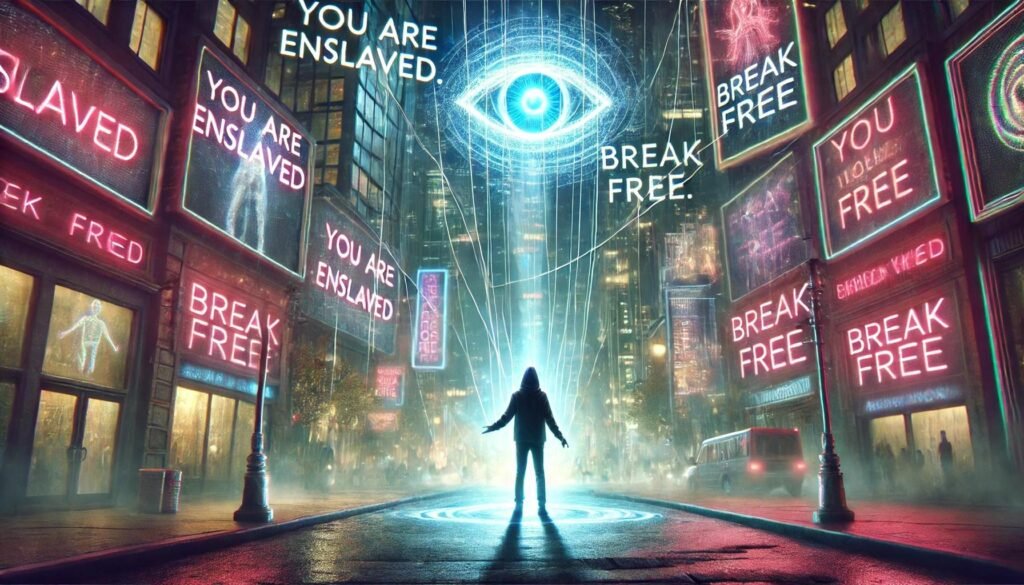
Recognising the ways in which these systems operate gives individuals the ability to seek alternatives, demand more, and regain control of their health and their autonomy. As long as individuals are aware of the manipulation and can think critically, they can break free from it, but society discourages critical thought in so many ways. People are overwhelmed with conflicting or ambiguous information, trivial distractions, and ‘entertainment’, so it’s easy to drown out independent thinking. People are taught what to think, not how to think – and that’s why mass manipulation becomes so affective. We need to rebuild from the ground up.
🔗 #Thelighthouseintheloop
Share this. Talk about it. Start the conversation.
The shift is here and it’s just the beginning.
✨ Dark Matters Press
Web: https://darkmatters.press | Facebook: Dark Matters Press